
Amazing Health Benefits of Honey Water: Nature’s Sweet Elixir
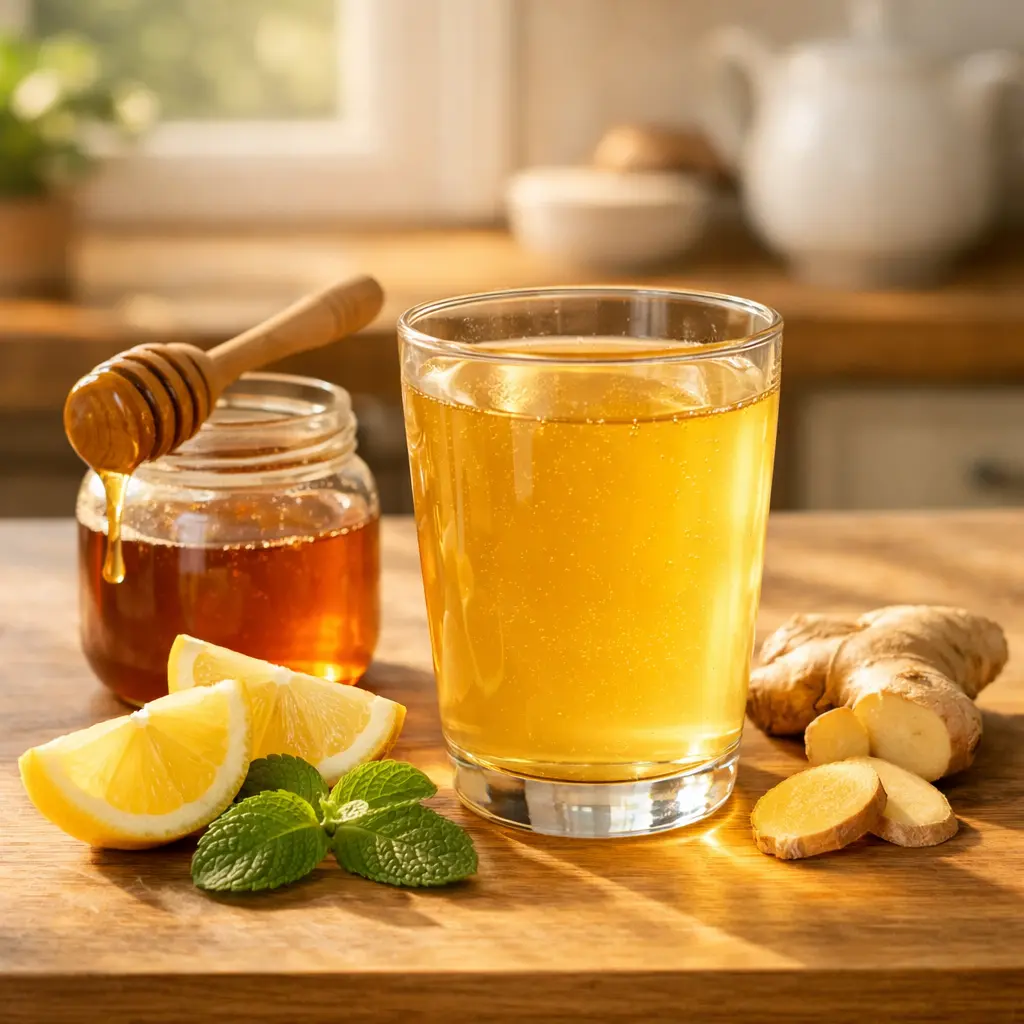
Crack open a jar and sip something golden – sweet yet healthy! Here’s the natural way to upgrade your daily drink! The health benefits of honey water might surprise you.
This golden combo of real honey and water is more than just sweet; it’s hydrating, soothing, and packed with natural goodness straight from the hive.
This guide explains what honey water actually offers, why it works, and how to make it part of your routine without overdoing the sugar. You’ll discover the science behind it, the proven benefits, the best times to drink it, and who should be cautious.
If you’re ready to swap soda for something naturally sweet, stick around… the good stuff is just getting started!
The Science Behind Honey Water: Why It Actually Works
Think of honey water as honey’s gentle makeover; same goodness, easier to drink. When you dissolve honey in water a few useful things happen:
➜ It dissolves & digests easier. Water breaks honey’s thickness, making it gentler on the stomach and simpler to swallow. Perfect if straight honey feels too heavy.
➜ It tastes better (so you’ll actually drink it). Dilution softens the sweetness, so you’ll reach for honey water more often than a spoonful of straight honey — and consistency is how benefits add up.
➜ Enzymes get a helping hand. Raw honey’s enzymes stay happier in warm (not boiling) water, which can help digestion and support some of honey’s natural antimicrobial action.
➜ Faster absorption = faster perks. Dissolved honey is absorbed more quickly, so you get gentle energy, hydration and the antioxidant boost sooner — which is why people use honey water for a morning lift or pre-workout sip.
Nutritional & Bioactive Foundation of Honey
Honey is a natural sweet substance produced by bees from flower nectar. Raw honey, which has not been pasteurised or overheated, retains its natural enzymes, pollen, propolis, amino acids, and plant compounds that contribute to its biological activity.
Raw honey contains:
➜ 22 amino acids
➜ 27 minerals, including iron, zinc, potassium, calcium, phosphorus, magnesium, and selenium
➜ B-vitamins, including B6, thiamine, riboflavin, pantothenic acid and niacin
➜ Thousands of enzymes and bioactive plant compounds, including flavonoids and phenolic acids
While honey is not a major vitamin or mineral source due to serving size, it is rich in polyphenols, which are responsible for many of its antioxidant and anti-inflammatory effects.
Together, this scientific and nutritional foundation helps explain why honey water is a practical, gentle and effective way to enjoy honey’s natural properties Hence, setting the stage for the health benefits explored next.
15 Health Benefits of Honey Water
While it may seem basic, honey water has been used traditionally across cultures for digestion, immune support, sore throats, hydration, and general wellness. Modern research now helps explain why this mixture may offer real physiological benefits when consumed in moderation.
1- Soothes sore throats and suppresses coughs

Honey has natural antibacterial and anti-inflammatory properties. When mixed with warm water, it forms a soothing coating over the throat, helping to ease irritation and calm coughing. Clinical studies have shown that honey can be as effective – and in some cases more effective – than certain over-the-counter cough medications, particularly for night-time coughs.
Moreover, research shows honey can also reduce cough severity, shorten cough duration, and improve sleep quality in children and parents. Unlike many cough syrups, honey has minimal side effects. However, it should never be given to children under 12 months.
2- Supports digestion and gut health
Honey water may support digestive health in several ways. Raw and minimally processed honey contains compounds with prebiotic properties, which help nourish beneficial gut bacteria. When diluted in water, honey may also stimulate digestive enzymes, supporting smoother digestion.
Regular consumption of honey water has been associated with:
➢ Improved bowel regularity
➢ Relief from mild constipation
➢ Reduced symptoms of acid reflux in some individuals
3- Provides gentle, sustained energy
Honey is composed primarily of glucose and fructose. These are two simple sugars that the body can use quickly for energy. Because these sugars are absorbed at different rates, honey water can deliver a faster energy boost than complex carbohydrates while avoiding the sharp spikes commonly associated with refined sugars.
For this reason, honey water is often used:
➢ In the morning as a natural energy starter
➢ Before exercise as a quick fuel source
➢ As a lower-processed alternative to soft drinks and energy drinks
4- Helps maintain hydration
Staying hydrated is essential for brain function, metabolism, temperature regulation and energy levels. Honey water can make hydration more enjoyable for people who struggle to drink enough plain water, without relying on artificially sweetened or highly processed beverages.
When used in place of sugary drinks, honey water supports hydration while contributing fewer additives and refined sugars.
5- Rich source of antioxidants

Honey; particularly darker and minimally processed varieties, contains antioxidants such as flavonoids and phenolic acids. These compounds help neutralise free radicals, reducing oxidative stress that contributes to inflammation, premature ageing and chronic disease risk.
Antioxidants found in honey have been linked to:
➢ Immune system support
➢ Cardiovascular health
➢ Cellular protection and repair
6- Antimicrobial and infection-fighting properties
Honey exhibits antibacterial, antiviral and antifungal activity. Laboratory and clinical research show honey can inhibit or destroy harmful microorganisms, including antibiotic-resistant strains such as:
➢ MRSA
➢ coli
➢ Pseudomonas aeruginosa
These effects are strongest when honey is used topically, such as in wound care, but dietary intake may still contribute to broader antimicrobial support.
7- Supports immune system function
Honey water may indirectly support immune health through its antioxidant and antimicrobial properties. By reducing oxidative stress and inflammation, honey helps create an internal environment that supports immune resilience, particularly during cold and flu season.
8- May promote better sleep

Honey’s natural carbohydrates can support the release of serotonin, which the body later converts into melatonin, the hormone responsible for regulating sleep. Honey water is often consumed before bed to help calm the nervous system, reduce night-time coughing and encourage restful sleep.
9- May reduce bloating and nausea
Honey water has long been used as a gentle remedy for digestive discomfort, including bloating and nausea. When combined with ginger, its soothing effect may be enhanced, making it particularly useful for mild stomach upset.
10- Supports weight management when replacing sugary drinks
Replacing soft drinks, sweetened coffees or energy drinks with honey water can help reduce intake of refined sugars and excess calories. Some studies suggest honey may also help regulate appetite hormones and produce a more balanced blood sugar response than refined sugar.
However, honey still contains calories, and excessive consumption may contribute to weight gain.
11- May support healthier blood sugar regulation
Although honey raises blood glucose like other sugars, research suggests it may have a more favourable metabolic effect than refined sugar. Honey has been shown to increase adiponectin; a hormone associated with reduced inflammation and improved insulin sensitivity.
Some studies report improved fasting blood glucose in people with type 2 diabetes, though moderation is essential and medical guidance is recommended.
12- May support heart health
Honey consumption has been linked to:
➢ Lower blood pressure
➢ Improved cholesterol balance (higher HDL)
➢ Reduced oxidative stress in blood vessels
Raw honey also contains propolis, which may further support lipid metabolism. Long-term human studies are still limited, but early findings are promising.
13- Provides trace nutrients and plant compounds
One tablespoon (about 20 g) of honey provides approximately 61 calories and small amounts of minerals and vitamins, including riboflavin and copper. While honey is not a major nutrient source, its plant-derived bioactive compounds play a key role in its health effects.
14- Proven topical wound and burn healing
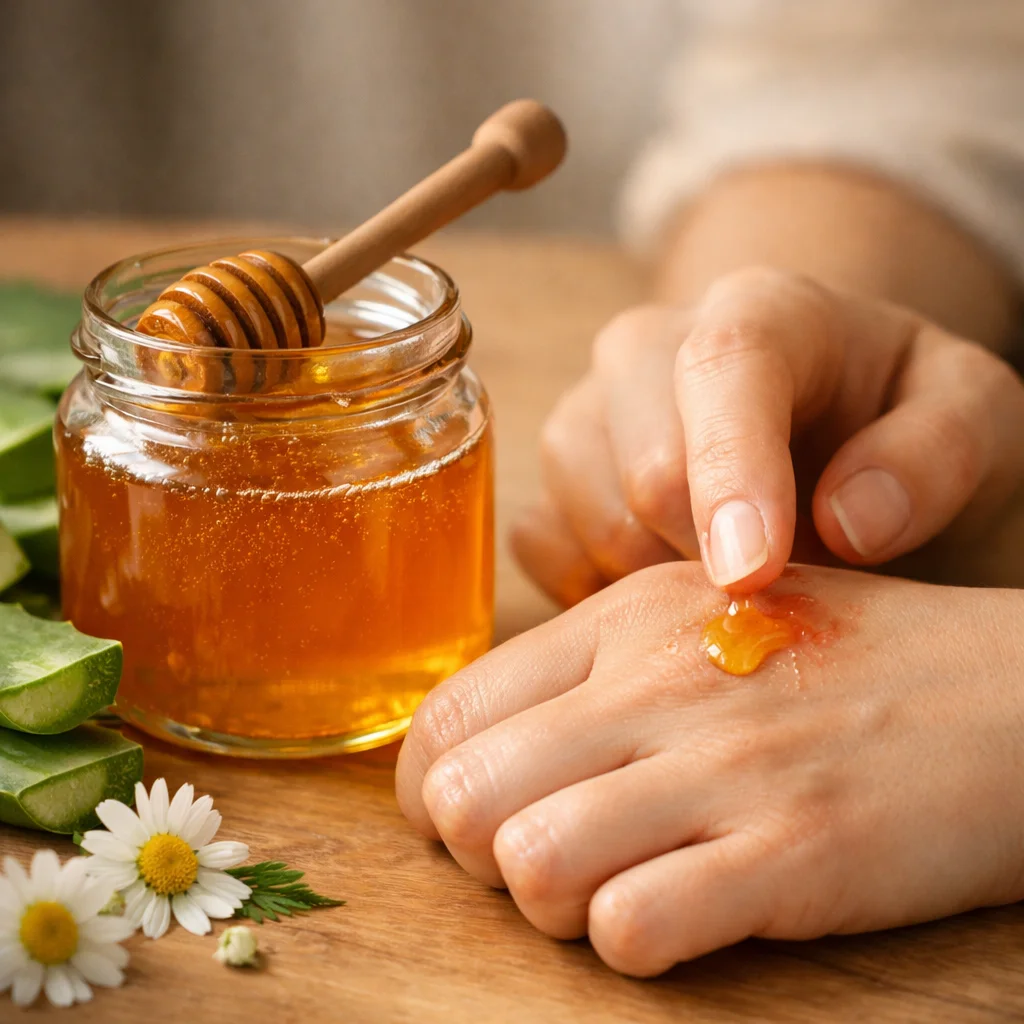
Honey has strong clinical evidence supporting its use in wound and burn healing due to its antibacterial and anti-inflammatory properties. This benefit applies to topical medical-grade honey, not drinking honey water, but it highlights honey’s unique therapeutic value.
15- Easy to add to your diet
One of the practical advantages of honey water is how easily honey can be incorporated into everyday eating habits. Honey can be used in many of the same ways as sugar, making it a simple swap for those looking to reduce their intake of refined sweeteners.
In addition to honey water, honey works well for sweetening plain yoghurt, coffee or tea, and can be used in cooking and baking to add natural flavour along with a small antioxidant boost.
How To Make Honey Water
Honey water is simple to prepare and can be tailored to time of day or purpose. Many people prefer a warm glass first thing in the morning to gently wake the digestive system, while others enjoy a spiced, milky version at night (often called “moon milk”) to help with relaxation and sleep. It’s also commonly used before workouts for a quick source of carbohydrates or as a soothing drink when you’re under the weather.
To make a basic cup of honey water:
➢ Stir about 1 teaspoon of honey (raw, organic honey recommended) into 240 ml (8 oz) of warm water; warm, not boiling, so you don’t destroy delicate enzymes.
➢ For a bedtime or anti-inflammatory version, add ½ tsp ground cinnamon and/or ½ tsp turmeric, and mix into warm milk or a milk alternative (this is the “moon milk” variation).
➢ Optional boosters: a squeeze of fresh lemon, 1 tsp apple cider vinegar, or a pinch of cayenne for metabolism-supporting blends. These make a tangy “detox-style” drink that some people prefer.
Quick tips:
➢ Avoid boiling water as very high heat can degrade honey’s enzymes and reduce some of its beneficial compounds.
➢ Start with 1 teaspoon per cup and adjust sweetness to taste.
How Much and When to Drink Honey Water
Because honey is an energy-dense natural sugar, moderation matters. A sensible guideline is to limit honey intake to about one tablespoon (20 g) per day if you’re using it regularly as a beverage sweetener. Practically, that translates to one to three cups of honey water daily, each made with roughly 1 teaspoon of honey.
Best times to drink honey water:
➜ Morning on an empty stomach — to gently stimulate digestion and provide a mild energy lift.
➜ Pre-workout — a small cup can supply quick carbohydrates for exercise.
➜ Afternoon slump — a lighter alternative to coffee or energy drinks.
➜ Bedtime (moon milk) — a warm honey + milk + turmeric/cinnamon mix can be a comforting pre-sleep ritual for some people.
➜ When you’re unwell — honey water can soothe sore throats or an upset stomach.
How to Incorporate Honey Water into Your Routine
Honey water is flexible and easy to add into everyday life. Use it to replace sugary sodas or sweetened coffees, stir it into yoghurt, or sip it as a gentle morning tonic. Because it’s pleasant and mild, many people find it easy to consume consistently. A major reason it can be useful as a small, daily wellness habit.
Practical ideas:
➢ Swap honey water for your mid-afternoon sugary drink.
➢ Mix a small cup with lemon for a morning detox-style ritual.
➢ Keep a jar of raw honey by the kettle for quick warm drinks during cold season.
Risks, Side Effects and Important Cautions
Honey is safe for most people when used sensibly, but it carries specific risks and interactions you must be aware of.
Key cautions:
➜ Infants under 12 months: Do not give honey to babies under one year due to the risk of infant botulism.
➜ Sugar and calories: Honey is still sugar. Excessive daily intake can contribute to weight gain and worsen insulin control, especially in people with diabetes.
➜ Allergic reactions: Some people are allergic to bee products. Stop use and seek advice if you notice itching, swelling, hives, breathing difficulty or gastrointestinal upset.
➜ Dental health: Like all sugars, honey can increase the risk of tooth decay. Brush after drinking honey water (especially before bed) or rinse with plain water to reduce residue.
➜ Medication interactions: Large amounts of honey can affect blood glucose and may interact with diabetes medications. If you take prescription drugs, check with your health professional before making honey water a daily habit.
If you experience any adverse effects such as abdominal pain, sweating, diarrhoea or nausea after drinking honey water, stop using it and contact a healthcare provider.
Conclusion
Honey, especially raw, organic and Western Australian Jarrah honey, contains natural enzymes, antioxidants, bee pollen, trace minerals and antimicrobial compounds. When mixed with water, it becomes an easy and versatile way to enjoy honey’s natural properties as part of a balanced diet.
Commonly reported honey water benefits include supporting digestion, reducing bloating and mild reflux, soothing sore throats and coughs, supporting immune health, helping curb sugar cravings and providing gentle, natural energy. Replacing sugary drinks with honey water may also support weight management when consumed in moderation.
A practical guideline is one to three cups per day, using about one teaspoon of high-quality honey per cup. Honey water can be enjoyed in the morning, before exercise, or before bed as a warm, spiced drink. Optional additions such as cinnamon, turmeric or apple cider vinegar can add flavour and functional benefits.
Get the honey water benefits you actually feel – with Swan Valley Organic Raw Honey
Our raw Western Australian Jarrah (TA30+) honey is unheated and single-origin. Perfect for making honey water that’s hydrating, soothing and naturally delicious.
Shop Raw Honey Online — Try Honey Water Today!
FAQs
1- Can I drink honey water every day?
Yes, in moderation. Aim for about 1–3 cups per day (1 teaspoon honey per cup); avoid giving honey to infants under 12 months and consult your doctor if you have diabetes or take glucose-affecting medication.
2- How do you make honey water?
Stir 1 teaspoon of raw honey into 240 ml (8 oz) of warm (not boiling) water. Optional boosters: lemon, a pinch of cinnamon or turmeric, or a splash of milk for a bedtime “moon milk.”
3- Does honey water reduce belly fat?
No, there’s no magic fat-loss drink. Honey water can support weight loss only when it replaces higher-calorie, sugar-loaded drinks and is paired with a calorie-controlled diet and exercise.
4- Is the sugar in honey likely to cause weight gain?
Honey is still sugar, so excess intake can add calories and promote weight gain. For comparison, a serving of honey water often contains 6–12 g sugar (≈25–50 kcal) versus a can of soda at 30 g sugar (100+ kcal). So, swapping can reduce calories if used sensibly.
5- What are the benefits of drinking honey water?
Honey water can soothe sore throats and coughs, support digestion and regularity, supply quick natural energy, provide antioxidants, and help hydration. It’s also an easy swap for sugary drinks.
6- Can honey water help with weight loss?
Potentially, as a healthier swap for sugary beverages. It supplies mild energy and may reduce cravings, but sustainable weight loss depends on overall calorie balance and lifestyle.
7- Is honey water good for skin?
Yes, indirectly. Honey water helps hydration and delivers antioxidants, which support skin health and a healthy glow; topical medical-grade honey is a separate, proven wound treatment.